
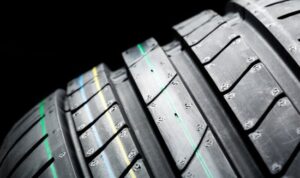
With winter approaching, there a few things to get checked to winterize your vehicle before it arrives. While North Carolina very rarely gets cold enough for there to be any issues with antifreeze, it should still be checked before winter arrives to ensure that its is up to the task of offering protection at very low temperatures. Because cold temperatures can cause tires to lose a small amount of air pressure, it is also recommended that the air in tires is checked and topped off as well. Even a small loss of air will cause the Tire Pressure Monitor System (TPMS) light to illuminate, alerting a driver that tire air pressure has fallen. Beyond that, a car in a relatively fair weather state like North Carolina doesn’t require much “winterizing”, while true cold weather states may require special snow tires and undercoating to help mitigate road salt.
Contact us to “winterize” your vehicle or perform any other needed service on your vehicle. We look forward to hearing from you soon.
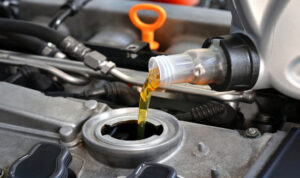 Not following the correct oil change schedule for your vehicle can come back to bite you. Generally, the correct oil change interval is 3,000-5,000 for conventional oil, or 5,000-7,500 miles for full synthetic oil. After many miles, the inside of the motor can sludge up. In addition, for the majority of people that do not check their fluids (coolant, transmission fluid, brake fluid), oil changes are the only time these fluid levels get checked. In order to keep the interior of the motor in good working order, any leaks or other issues can be diagnosed and repaired quickly and can be kept under observation.
 After the